THE LAB
Planet Story Lab is a working environment for documentary storytelling—where inquiry, collaboration, and place-based practice come together.
Each cycle is shaped around a shared theme rooted in place and brings people with different forms of knowledge into collaborative work.
THE THEME
Current Theme: LA Basin Fires
The current theme, The LA Basin Fires: Impact, Recovery, and the Future, explores wildfire not only as an ecological event, but as a lived condition—shaped by climate, housing, labor, infrastructure, public health, and community resilience.
Projects emerge from exploration and attention to how people experience fire before, during, and long after the flames are gone.
THE PEOPLE
Planet Story Lab brings together people with different roles, experiences, and forms of expertise. Each contributes to the work in a distinct way.
Who Participates
Planet Story Lab Fellows
Students and community participants research, film, and edit documentary projects collaboratively, taking on key creative roles within small teams. Fellows also engage in focused individual exercises that allow for personal exploration of documentary craft, build skills and experiment with climate storytelling.
Professional Filmmakers
Working documentarians who support the creative process through mentorship, feedback, leading hands-on workshops, and offering guidance in the field.
Scientists & Researchers
Experts whose research and field knowledge help ground stories in evidence and context, connecting lived experience to larger environmental and social systems.
Community Knowledge-Holders
People with lived experience, local history, and place-based insight whose voices help shape the direction and meaning of each project
Creative Direction
The Lab is guided by writer, filmmaker and educator Geri Ulrey, Chair of the Film, Television, and Media Arts Department at Glendale Community College, who shapes each cycle’s theme and supports participants throughout the full documentary process—from story development and research through production and post-production. Planet Story Lab works in partnership with GCC’s documentary production program, connecting classroom learning and hands-on documentary craft and production training with field-based, collaborative work.
Compensation & Support
Professional filmmakers, scientists, researchers, and community knowledge-holders are supported through honoraria when possible, in recognition of their contributions.
Support and Partnerships
Planet Story Lab is supported by the Film, Television, and Media Arts Department at Glendale Community College, which provides curriculum integration, faculty support, and access to professional equipment. The Lab is also supported by the Glendale Community College Foundation, whose funding supports stipends, honoraria, and helps sustain this work. Students participating in Planet Story Lab may also receive documentary production support through Golden Globe Foundation production grants available to enrolled FTVM students.
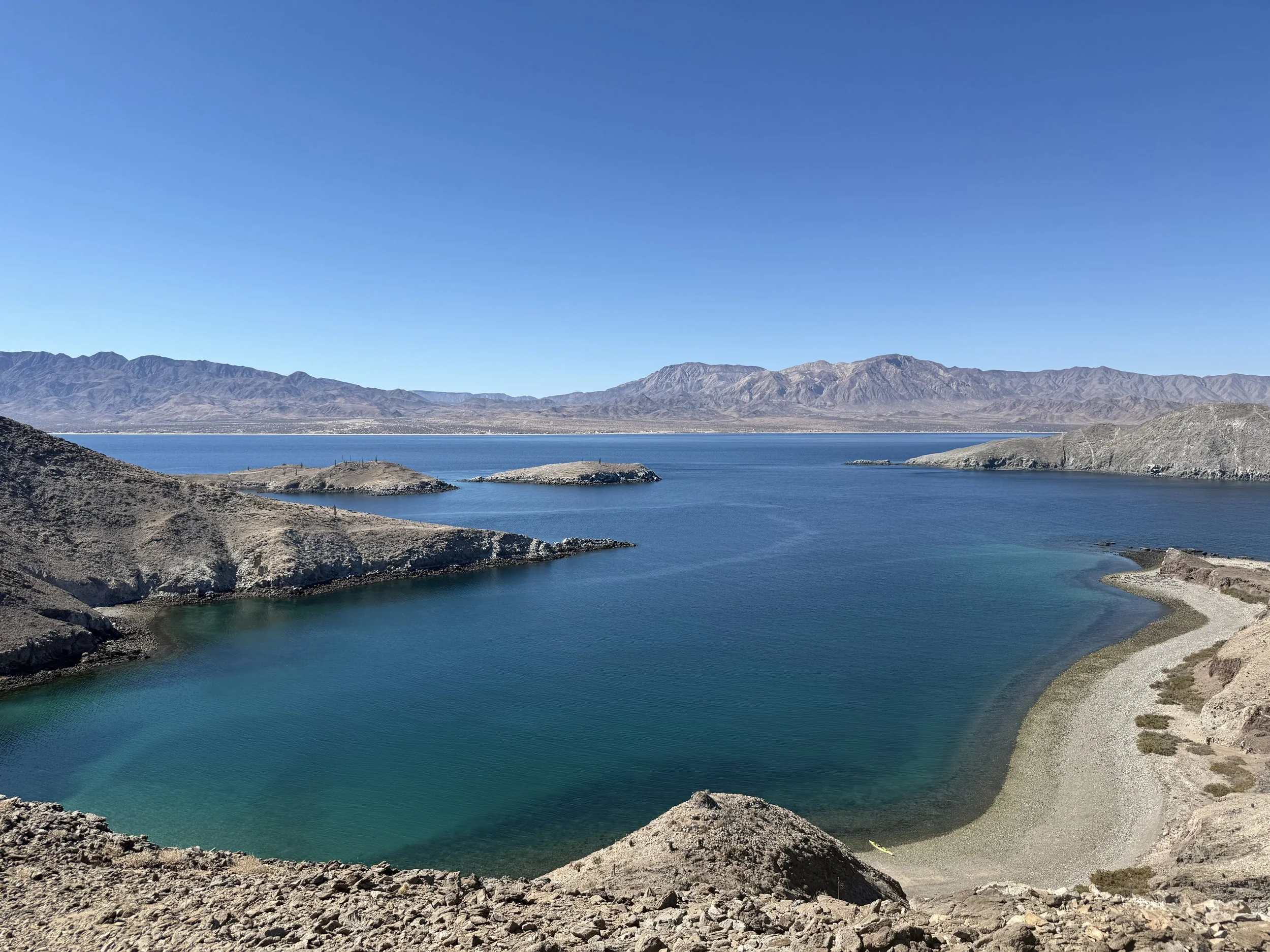
In addition to its work in Los Angeles, Planet Story Lab is supported by the Baja Field Studies Program and Estación del Mar Cortés (Glendale Community College’s Field Station) in Bahía de los Ángeles, on the Sea of Cortez—a region of exceptional biodiversity and importance to climate storytelling, where many communities’ livelihoods and daily lives are closely tied to surrounding ecosystems.
How the Work Happens
Planet Story Lab is grounded in the belief that meaningful documentary work requires time, proximity, and care—and that strong stories come from both craft and relationship.
Projects develop through:
field research and observation
story discovery and collaborative development
documentary craft training, including interviewing, vérité shooting, story structure, and editing
hands on technical training in camera, sound, lighting, and post-production
professional mentorship, peer feedback, and revision
ethical engagement with people and place
Documentary is treated as both process and product—a way of learning, listening, and shaping meaning through storytelling.
The Practice emphasizes:
shared responsibility and collective authorship
cross-disciplinary exchange
respect for lived experience and local knowledge
learning through doing—then refining through feedback
THE PRACTICE
Where the Work Takes Place
Planet Story Lab is rooted in real places where environmental and social change is actively unfolding. Work takes place in classrooms, communities, neighborhoods, and field sites—spaces where people live, work, and respond to the conditions shaping their lives. The Field includes conversations, on-location research, production shoots, filmed interviews, and time spent shaping stories in the edit room.
Each cycle is grounded in sustained presence within specific locations, whether urban regions affected by wildfire, coastal communities tied to marine ecosystems, or other place-based contexts. Rather than approaching sites as backdrops, the Lab treats place as an active participant in the work—shaping the questions asked, the stories told, and the relationships formed.